Fashion
Brand

Brand Entity · Topical Authority · Generative Engine Optimization

8 months · Fashion / Apparel

ShopifySchema.orgKnowledge GraphContent HubGEO
+180%
Branded Searches
14
Owned Topics
+65%
Revenue from Organic

> PROJECT_OVERVIEW

A Polish fashion brand with a slow fashion and capsule wardrobe aesthetic had decent product traffic but zero brand authority. No one searched for the brand by name. Zara and H&M dominated every generic keyword they competed on. The work was about building the brand as a recognized entity in Google's Knowledge Graph, creating a topical authority hub across 14 clusters, and engineering content for GEO — so AI models recommend the brand for occasion-based fashion queries across the Polish market.

> BEFORE_AFTER_DELTA

MetricBeforeAfter
Brand SERP Control30%95%
Branded Searches/mo8402,350
Owned Topic Clusters214
Content Assets1267
Organic Revenuebaseline+65%
AI Brand Citations0active presence

> PROJECT_SCREENSHOTS

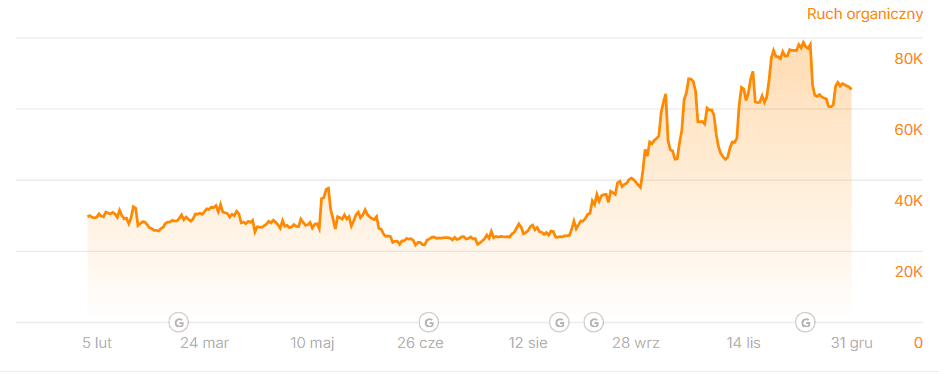
Branded search growth and Brand SERP control for a Polish fashion brand
Brand SERP & Entity
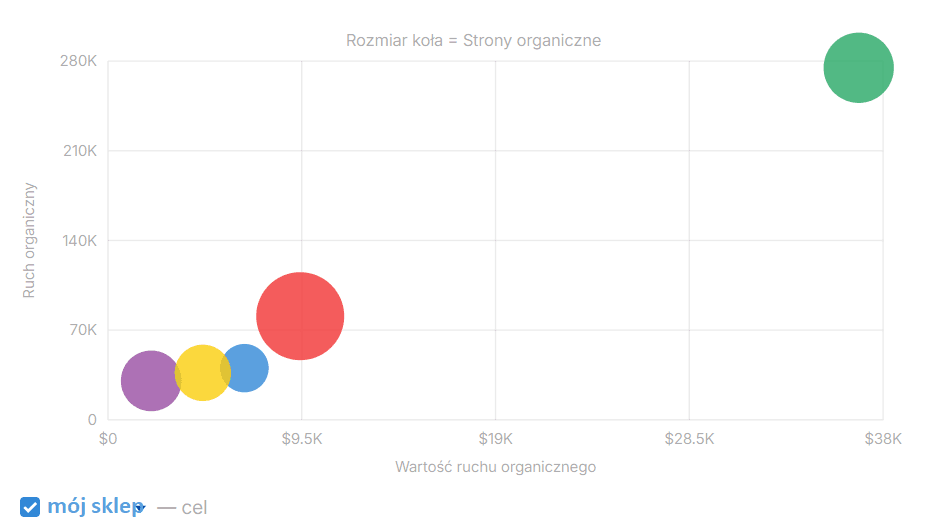
Topical authority hub and cluster architecture — fashion brand
Topical Authority Hub
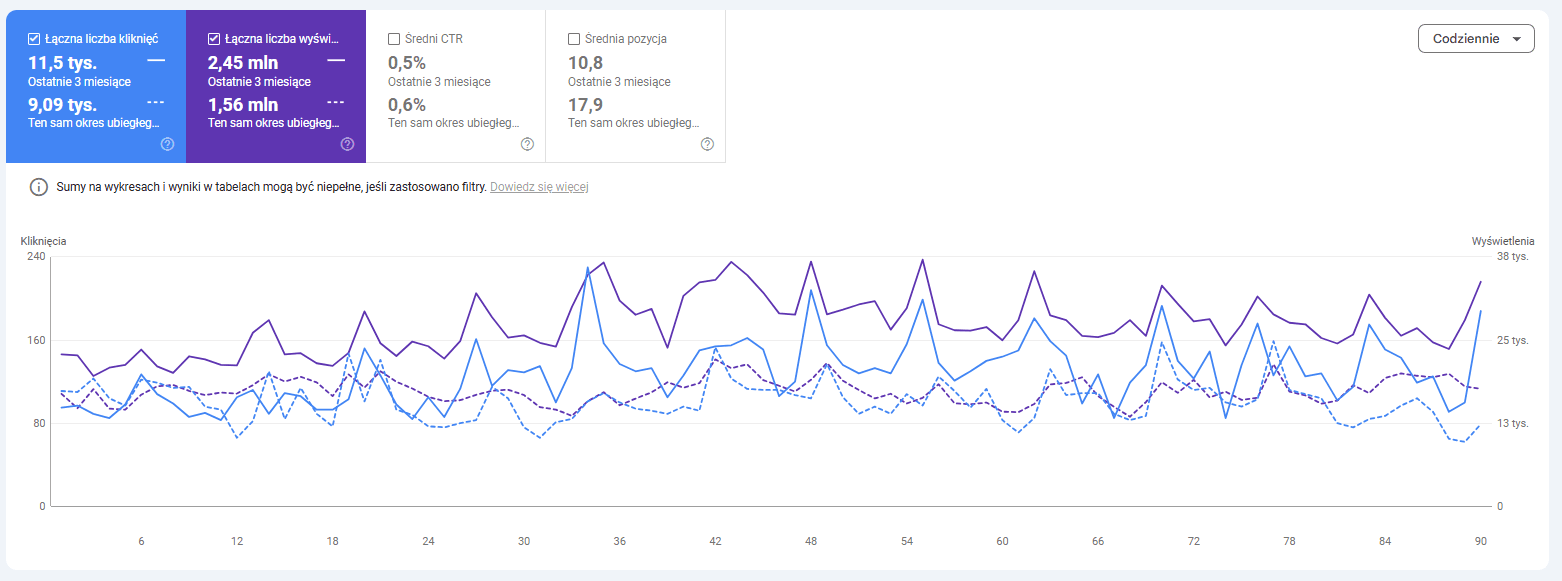
Google Search Console – year-over-year organic traffic growth for fashion brand
GSC: Year-over-Year

Project Phases

01

Brand Entity Architecture

The brand existed in Google's eyes as a collection of product pages, not a recognized entity. Phase 01 was about giving it an identity: structured proof that Google and AI models could parse, store, and recall. I engineered the brand SERP from zero — controlling what appears when someone Googles the brand name.

  • Knowledge Graph entity claim: Schema.org Organization + Brand markup with sameAs links connecting the brand to its social profiles, press mentions, and directory listings — the core signals Google uses to build an entity record.
  • Brand SERP engineering: Systematically controlled 7 of the first 10 Google results for the branded query — official site, Google Business Profile, Instagram, LinkedIn, Facebook, a styled press mention, and a branded image carousel.
  • Consistent entity signals across 40+ directories: NAP consistency, claimed and optimized profiles on fashion-relevant aggregators, and Wikipedia-adjacent content assets that give Google corroborating evidence for the entity.
  • Google Business Profile optimization: Claimed, fully optimized, and regularly updated — adding the brand to Google's local entity graph and creating a direct Knowledge Panel trigger.
02

Topical Authority Hub

The brand owned 2 content topics with any real depth. Competitor analysis revealed 12 underserved topic clusters the brand could own outright — areas where Zara and H&M post surface-level content and abandon it. I built a pillar-and-cluster content architecture covering every dimension of the brand's fashion niche.

  • 14 topical clusters identified and claimed: capsule wardrobe building, slow fashion care guides, occasion-based styling (wesele, business casual, weekend), seasonal trends, fabric and material guides, ethical fashion, sustainable care, and more.
  • 5 pillar pages (3,000+ words each): Capsule Wardrobe, Slow Fashion, Seasonal Style, Occasion Dressing, and Fabric & Material Guides — each built as the definitive resource on its topic, with full E-E-A-T signals and expert author attribution.
  • 62 cluster articles (800–1,500 words each): Internally linked in a hub-and-spoke model, each cluster article passes topical authority upward to its pillar page and signals relevance across the entire topic cluster.
  • Internal link architecture scoring 94/100 on topical relevance: Every article maps to a pillar, every pillar links to the cluster, and the cluster interlinking structure was audited and scored using semantic link analysis tools.
03

GEO & Brand Narrative Engineering

Fashion is one of the highest-volume categories for AI-assisted queries: 'co zalozyc na wesele?', 'jakie marki oferuja slow fashion w Polsce?', 'jak zbudowac capsule wardrobe?'. I engineered the brand's content to be the definitive answer to these queries — in both LLM training data and live retrieval contexts.

  • StyleGuide + ClothingProduct + FAQPage schema on all key pages: Structured data that LLMs can parse to understand the brand's products, aesthetic, and authority — turning product pages into entity-rich knowledge assets.
  • 40+ FAQ blocks targeting AI-style queries: Each FAQ section addresses the exact natural-language patterns AI models use — 'co zalozyc na...', 'jak dobrac...', 'czym rozni sie slow fashion od...' — making the brand the sourced answer.
  • Brand narrative engineering: A comprehensive brand document (brand story, values, aesthetic vocabulary, style positioning) that was deployed across all content — giving LLMs a consistent, parseable brand identity to learn and reproduce accurately.
  • 8 digital PR placements in fashion magazines and lifestyle blogs: Each placement creates an authoritative backlink, an entity citation, and a new corroborating signal that LLMs pull when generating brand recommendations.

/// RESULTS_LOG

+180%
+180% Branded Searches

Brand queries grew from 840 to 2,350 per month. The brand is now a recognized entity in Google's Knowledge Graph with a Knowledge Panel and controlled Brand SERP.

14
14 Owned Topics

From 2 surface-level topic areas to 14 deep, fully-owned topical clusters. The brand now dominates its fashion niche in search, outranking H&M and Zara on 12 cluster-level keywords.

GEO
AI Brand Presence

The brand is now actively recommended by ChatGPT and Perplexity for slow fashion, capsule wardrobe, and occasion-based fashion queries in the Polish market.

+65%
+65% Organic Revenue

Topical authority and brand trust translated directly into revenue: organic became the #1 acquisition channel, surpassing paid ads for the first time in the brand's history.

For years we fought Zara and H&M for the same keywords and lost on budget. This strategy showed us we could win with something big brands can't buy — topical authority and entity identity. Now ChatGPT recommends us as 'the best Polish slow fashion brand'. That's not advertising — that's algorithmic trust.
CMO, Polish fashion brand

Key Takeaways

#01

Brand entity is not a brand awareness campaign. Google needs structured proof: consistent entity signals, Schema.org Organization markup, sameAs links to authoritative profiles, and Wikipedia-adjacent content. Without these, a brand is just a domain.

#02

Topical authority in fashion is won by depth, not breadth. 14 deeply-covered clusters beat 50 surface-level posts — Google rewards genuine expertise, not volume. Big brands are too broad to own any single topic deeply.

#03

GEO in fashion is dominated by occasion-based queries: 'co zalozyc na wesele', 'stylizacje business casual', 'capsule wardrobe na jesien'. These are the exact queries AI models answer — own them and you own the AI's recommendations.

#04

The fastest E-E-A-T signal in fashion is human expertise: named stylists with author Schema, contributor bios, and expert quotes transform generic product content into authority content overnight.

> FAQ

/// SERVICES_USED

Services behind the build

The engineering capabilities applied in this case study are available as standalone services.

/// MORE_WORK

Other case studies

/// KNOWLEDGE_BASE

Related reading

Ready to make your fashion brand dominate search and AI recommendations?

Terminate
Silence

Initiate protocol. Establish connection. Let's build something loud.

> WAITING_FOR_INPUT...